Archives :: About the Missouri Archives :: Calendar
Upcoming Events
The Thursday Evening Speaker Series is a free, monthly lecture series open to the public. Seating is available on a first-come, first-served basis. Unless otherwise noted, programs will be held at the Missouri State Archives, located at 600 W. Main Street in Jefferson City. The series is underwritten by the Friends of the Missouri State Archives.
[Presentation Videos from past events are available at the following location:
Missouri State Archives Presentation Videos.]
Missouri's Murderous Matrons
Thursday, October 8, 2026 @ 7 p.m.
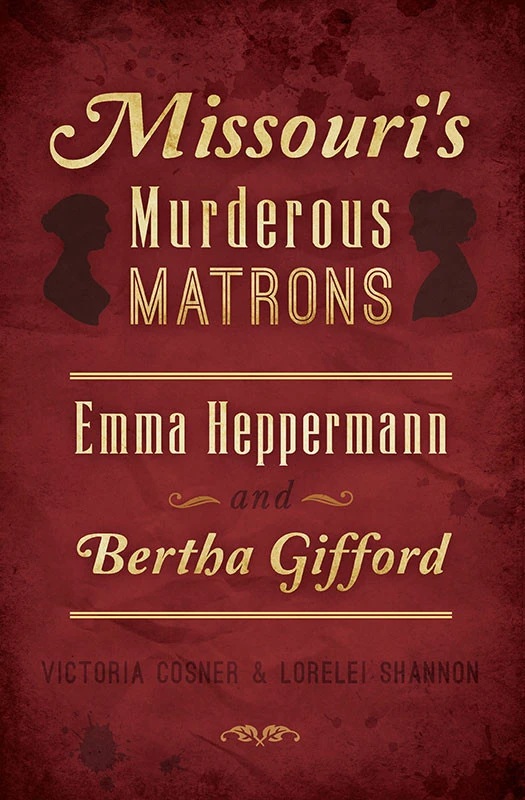 |
At the turn of the twentieth century, people in Missouri experienced unexpected and horrible deaths due to arsenic. Two different women in two different areas of Missouri, and for two different reasons, used arsenic as a means to get what they wanted. Emma Heppermann, a black widow killer, craved money. Bertha Gifford, an angel of mercy, took sick people into her home and nursed them to death. Follow the trails of these women who murdered for decades before being tried and convicted. From Wentzville to Steelville, Emma left a trail of bodies. And Bertha is suspected of killing almost 10 percent of the population of the little town of Catawissa.
Presented by co-author Victoria Cosner
|
At War with King Alcohol: Debating Drinking and Masculinity in the Civil War
Thursday, November 19, 2026 @ 7 p.m.
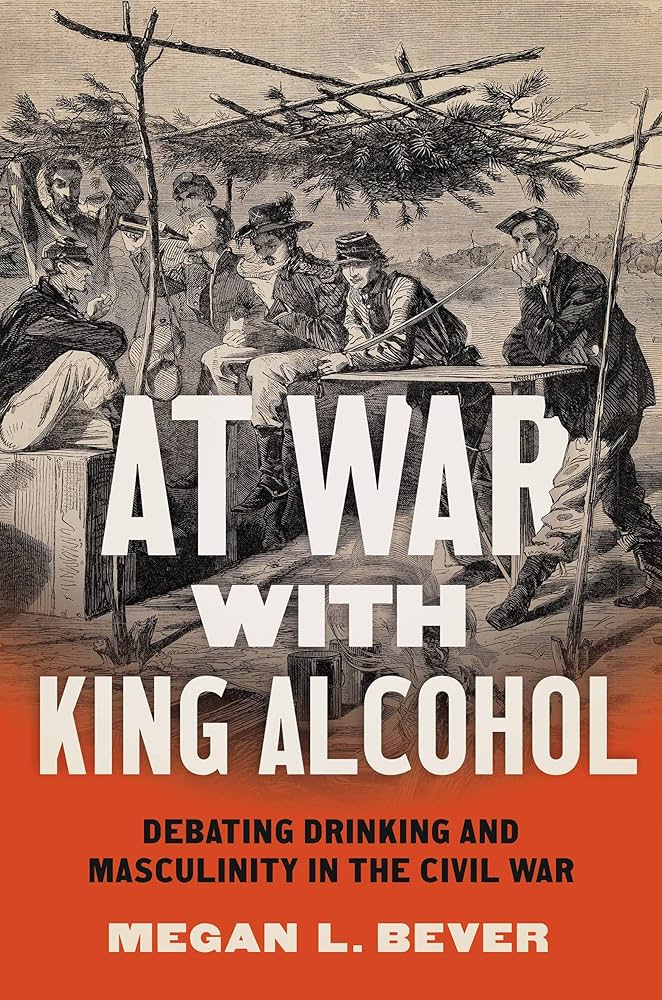 |
Liquor was essential to military culture as well as healthcare regimens in both the Union and Confederate armies. But its widespread use and misuse caused severe disruptions as unruly drunken soldiers and officers stumbled down roads and through towns, colliding with civilians. The problems surrounding liquor prompted debates among military officials, soldiers, and civilians as to what constituted acceptable drinking. While Americans never could agree on precisely when it was appropriate to make or drink alcohol, one consensus emerged: the wasteful manufacture and reckless consumption of spirits during a time of Civil War was so unpatriotic that it sometimes bordered on disloyalty.
Presented by author Megan Bever
|